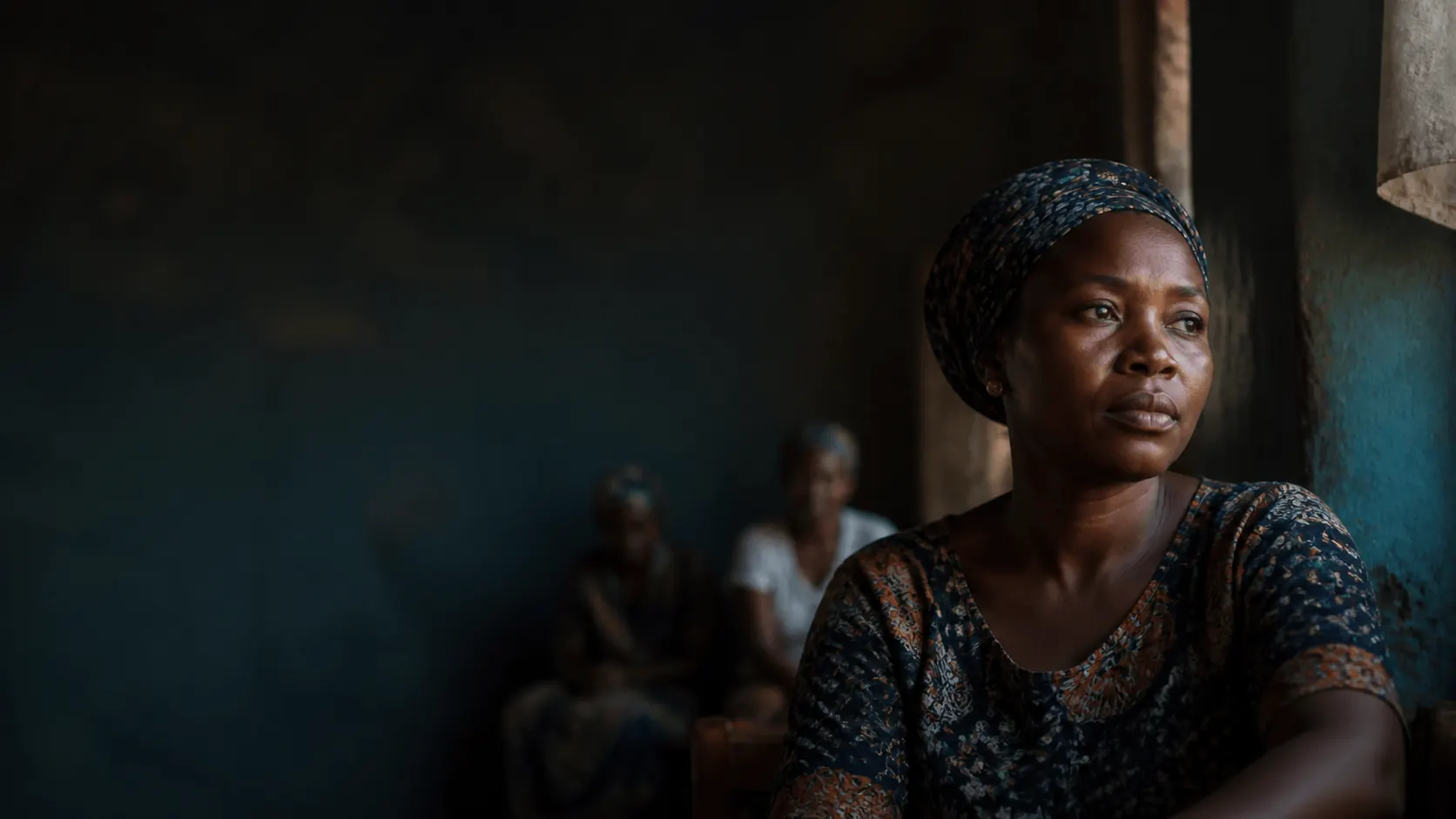

Loss of income and productivity
Mental distress weakens livelihoods and household stability.

Yet across Africa, it remains one of the most under-resourced, misunderstood and structurally neglected components of public health. A systemic failure with measurable human, social and economic consequences.
Prevalence
people live with a mental health condition in Africa
Workforce
of the global mental health workforce is in Africa
Density
psychiatrists per 100,000 people in Africa
Budget
of national health budgets are allocated to mental health on average
Cost
lost each year by the global economy because of depression and anxiety disorders
Research
of global research is devoted to mental health
Source: WHO.


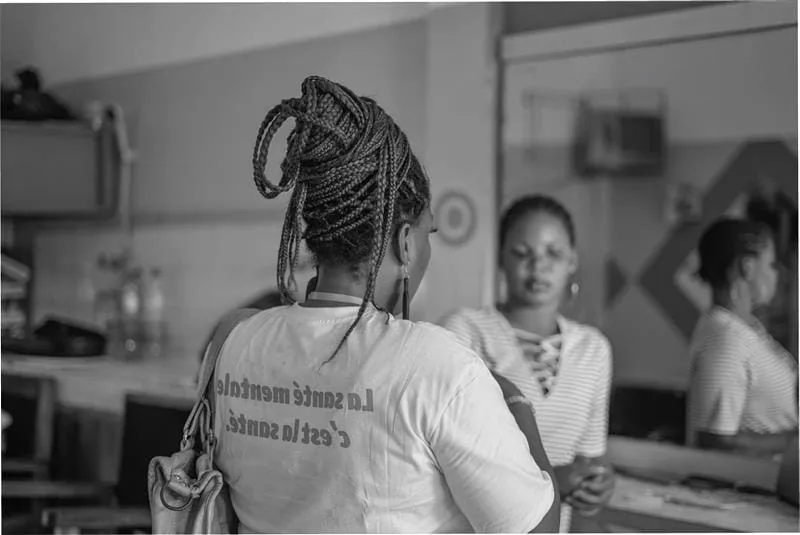
© Delali AYIVI
Nearly 1 in 2 women report significant psychological distress.
Fewer than 1 in 10 people with mental health needs receive any form of support.
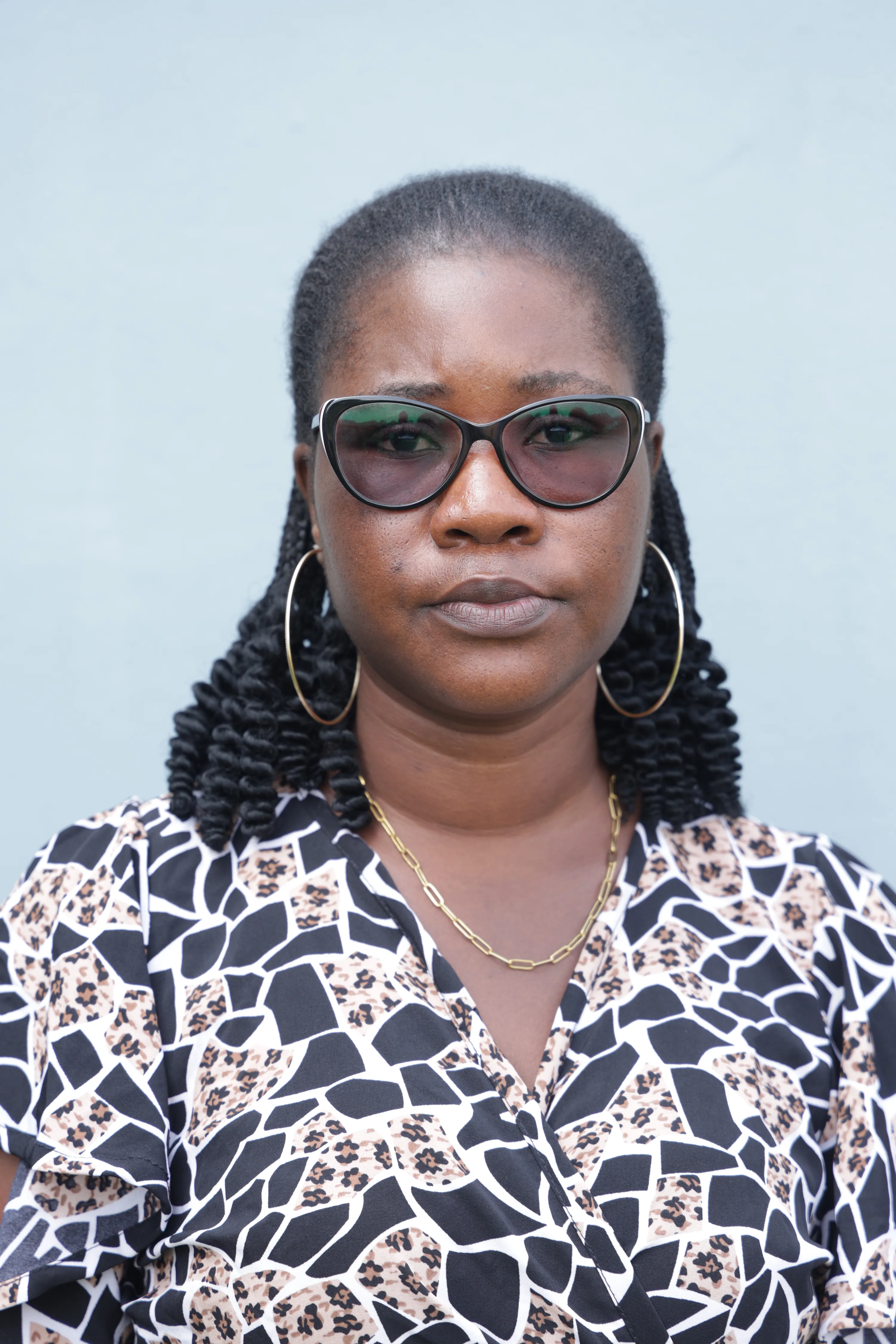
Mental health burdens are not evenly distributed.
Women and girls are disproportionately exposed to gender-based violence, economic insecurity, unpaid care responsibilities, and social norms that normalise silence and endurance.
1 in 3
women globally experience physical or sexual violence in their lifetime, a major predictor of depression, anxiety, post-traumatic stress disorder and suicidal ideation.
Source: WHO.
Seeking care often entails stigma, fear of social exclusion, or loss of economic opportunity.
Discover our impactIgnoring gender dynamics does not produce neutral systems. It generates inequitable ones.
© Delali AYIVI
Even where services exist, fear and shame prevent people from seeking help.
The shortage of specialists limits the ability to meet population-level needs.
Support is concentrated in hospitals and specialist settings people reach only when distress is already acute.
Direct costs, transport, and lost time keep people away from the support they need.
WHO and global evidence increasingly converge on the same conclusion:
Task-sharing and community-based mental health care are an imperative necessity.
See how we put it into practiceThe answer is not only to train more specialists. The point of rupture sits between real needs and the entry points people can use without fear.
This is exactly where Bluemind Foundation intervenes.
Discover our model